The Dallas Decoder Interview: Lisa Seidman

Lisa Seidman

Lisa Seidman

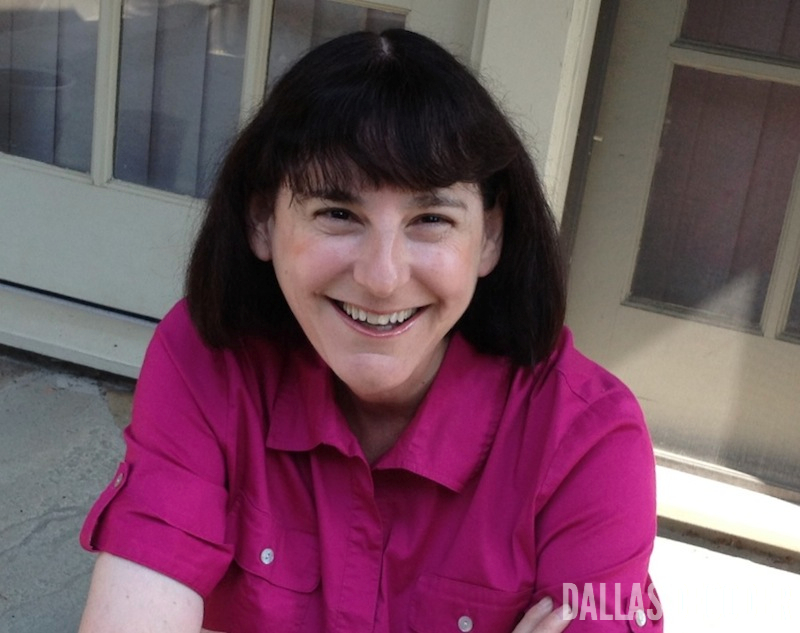
Lisa Seidman was a writer on the original “Dallas” during its final two seasons and penned many of the show’s best episodes from that era. She later wrote for “Knots Landing” and now serves as associate head writer for “The Young and the Restless.” I was thrilled when she agreed to answer some of my questions about writing for three of my favorite TV series.

“Dallas” was one of the first shows you ever wrote for. How did you get the job?  Howard Lakin and I worked together on “Falcon Crest.” He moved on to “Dallas” and when CBS told Len Katzman, the executive producer, they wanted a female writer on the show, Howard recommended me. Len read and liked a spec script I had written, a murder mystery that Patrick Duffy eventually optioned, which he planned to direct and star in, but alas, he moved on to “Step by Step” so it fell through. I met with Len, he liked me, and the rest as they say….
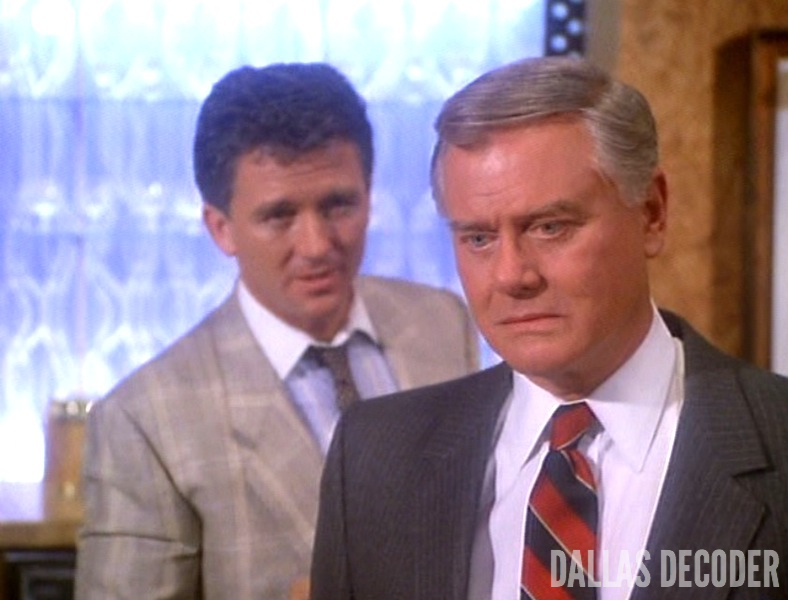
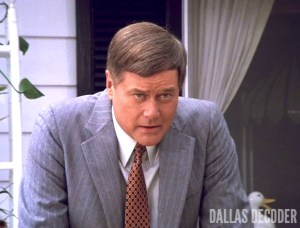
Bobby and J.R. in “Cry Me a River of Oil,” Seidman’s first “Dallas” episode

Bobby and J.R. in “Cry Me a River of Oil,” Seidman’s first “Dallas” episode

History, indeed! What was it like to work on “Dallas” as it was nearing the end of its run? Was it a struggle to come up with new things for the characters to do?

At the time, we didn’t know the show was nearing the end of its run. We were hoping the show would be picked up for another year but knowing there was a possibility it would not be, the mood was wistful, bittersweet. While I remember days when we struggled to come up with story, I don’t think it was any more difficult than any other show I’d been on before or after — except for the final, two-hour show. Now that was a struggle. Len really wanted to go out with a bang and I remember long, frustrating story meetings where we were really trying to find that great hook.

Oh, wow. Do you remember the other ideas for the series finale that you considered but discarded? And what did you think of the final product?

Unfortunately, I don’t remember the other ideas, although I remember exactly where I was sitting in Len’s office as we plotted out the “It’s a Wonderful Life”-themed finale: on his sofa, which is a strange thing to remember as I usually sat in the chair next to him while Howard sat on the sofa and [producer] Ken Horton was in the armchair across from Len and me. As far as the final product: At the time, I thought it was a terrific idea, but in retrospect I see the flaws. J.R. learns that people led happier lives without him so he was going to kill himself in despair and Bobby had to save his life. It was an anti-J.R. story.

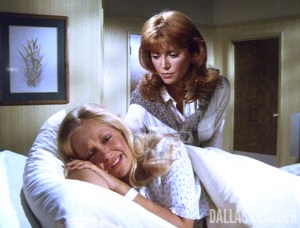
Cliff in “The Decline and Fall of the Ewing Empire,” Seidman’s final “Dallas”

Cliff in “The Decline and Fall of the Ewing Empire,” Seidman’s final “Dallas”

Did you have a favorite character to write for? 

Cliff Barnes. What a kick! The character would do or say anything. He had no filters. I loved it. I loved him. I also loved writing the female characters: Cally, April, Michelle, Lucy. Sadly, Linda Gray left the season before I came on so I never got to write Sue Ellen. I was always sorry about that.

Are there any scenes or episodes that you are particularly proud of? 

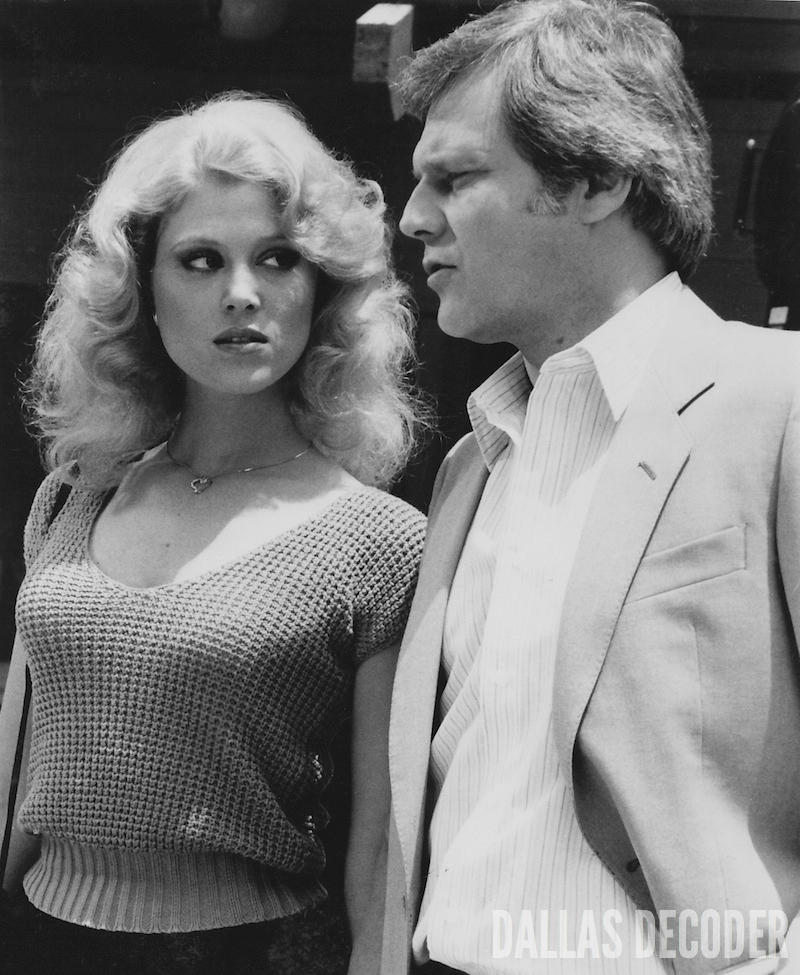
The scene between J.R. and Lee Ann De La Vega in “Designing Women.” First, I got to write for Larry Hagman and Barbara Eden, who had both been in “I Dream of Jeannie,” a show I loved as a kid. What a thrill! Second, Lee Ann is confronting J.R. about their shared past, and I remember how much I loved her getting back at J.R. for how he screwed up her life. I watched them shoot the scene and it was exciting to see how they both got into it.
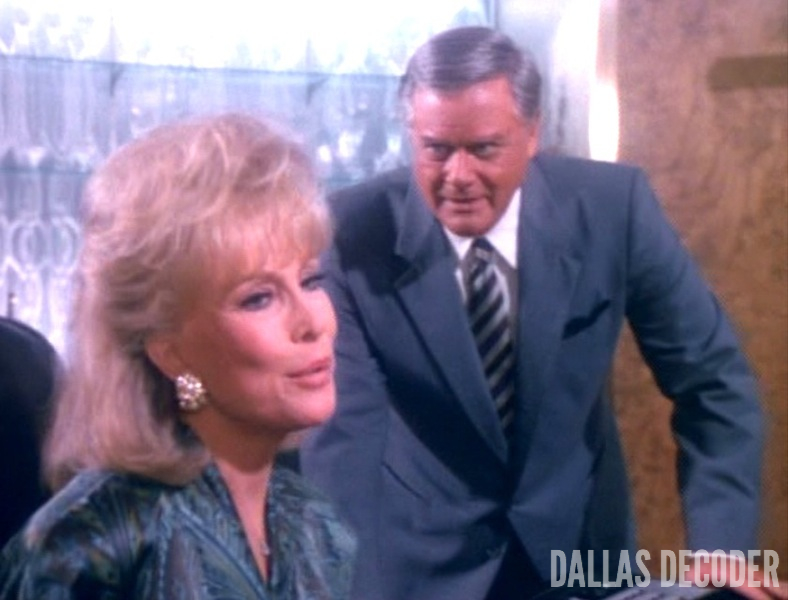
Lee Ann and J.R. in “Designing Women”

Lee Ann and J.R. in “Designing Women”

That scene contains one of my favorite J.R. quotes. I love when he tells Lee Ann and Michelle, “You two belong together, hatching your silly little plots in your silly little heads.” I’ve been quoting that line for 22 years!

Funny you should bring that up. I have all drafts of the script in front of me. In the writer’s draft, J.R. said, “Hatching your puny little plots in that empty brain of yours.” In the first draft it became, “Hatching your puny little plots in that empty head of yours” — suggested to me by Len — where it remains in the final draft, so Larry Hagman obviously changed it on set to the line you love.

After “Dallas,” you wrote for “Knots Landing.” How were those experiences similar? How were they different? 

Writing for “Knots” and “Dallas” were similar in that both shows had strong writer-producers — Ann Marcus and Len Katzman, respectively — who respected their writers and never micro-managed us. What you saw on air was the writer’s work, not a rewrite by either Ann or Len. They were different in that Len preferred to be in charge of the production of each script while Ann let each writer attend casting, tone meetings, production meetings. If the actors had concerns about their story on “Dallas” they went to Len. If the “Knots” actors had concerns they went straight to the particular writer of the script. On both shows, stories were created and laid out with all the writers in the room. While Len and Ann had the final say, they listened to all their writers’ contributions. Both were fantastic bosses!
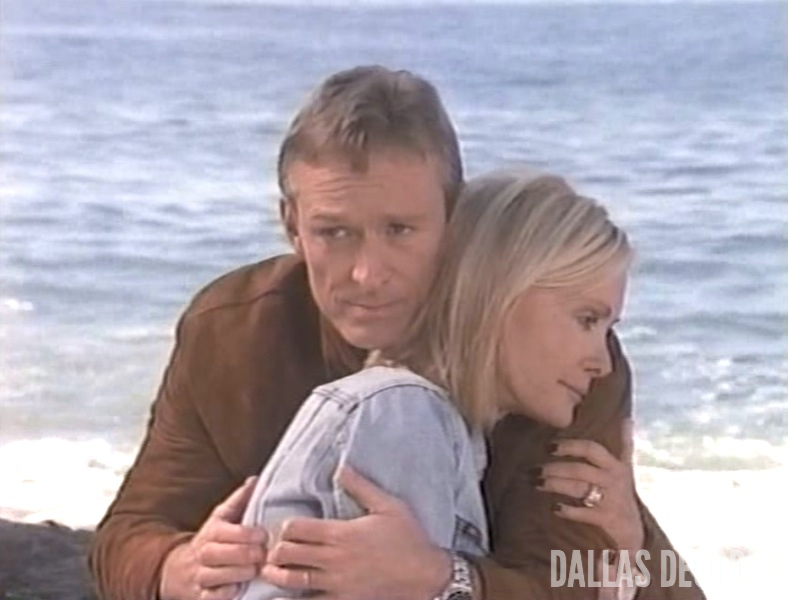
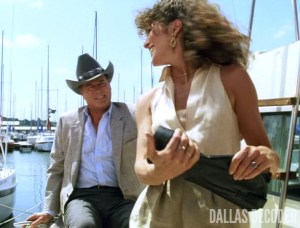
Gary and Val in “Knots Landing: Back to the Cul-de-sac”

Gary and Val in “Knots Landing: Back to the Cul-de-Sac”

What are your memories of co-writing the “Knots Landing” reunion miniseries?

Where do I begin? Ann Marcus taught me so much about structure, high stakes, letting character drive story. We wrote the miniseries in her home office and I remember spending a lot of the time staring at her Emmy for “Mary Hartman, Mary Hartman,” feeling incredibly lucky that I was getting to write with Ann, who is still a dear friend. Ann would come in with a lot of ideas and then we would discuss each one at length, discarding what didn’t work and developing in more detail what did.

Do you watch the new “Dallas”? What’s your opinion?

Fantastic. Fun. It’s great to see how the series successfully uses J.R., Bobby, Sue Ellen and Cliff with the young ’uns. It’s a kick.

You’ve written a lot for daytime television too. How is that different from writing for prime-time television? 

Daytime TV is much harder to write than anybody thinks. You’re writing a detailed outline or a script every week while in prime time you’re writing one script a month or even less, depending on how many writers are on staff. You have two days to write an 11-page outline on daytime, whereas in primetime you have a week or a week and a half to write your script. In daytime you have many more characters to deal with — at least 10 to 15 — and you have to know all their voices, their stories. You have to know their histories from before you went on the show — and those histories are much more complicated than prime time back story because these characters have been on the air anywhere from 10 to 40 years!

In daytime, is it hard to balance giving fans what they want and trying to pursue your own artistic vision? 

Yes, absolutely, because the reality is you can’t really give the fans what they want, which is happy couples. Once a couple is happy, they’re boring. So the writers have to keep creating complications for characters that keep couples apart while at the same time keeping fans wanting to watch every day, rooting for them to get together.

You’re currently writing for “The Young and the Restless.” If J.R. Ewing had ever faced off against Victor Newman in business, who do you think would win?

Ha! Good question. Neither of them would ever have a total win. J.R. might defeat Victor in some aspect of business but then Victor would pick himself up, dust himself off and go after J.R. with a vengeance. Neither would be down for long. The battle would go on forever!

Share your comments below and read more interviews from Dallas Decoder.
The Art of Dallas: ‘The Big Ball’

Big Ball, Dallas, J.R. Ewing, Larry Hagman, Linda Gray, Sue Ellen Ewing

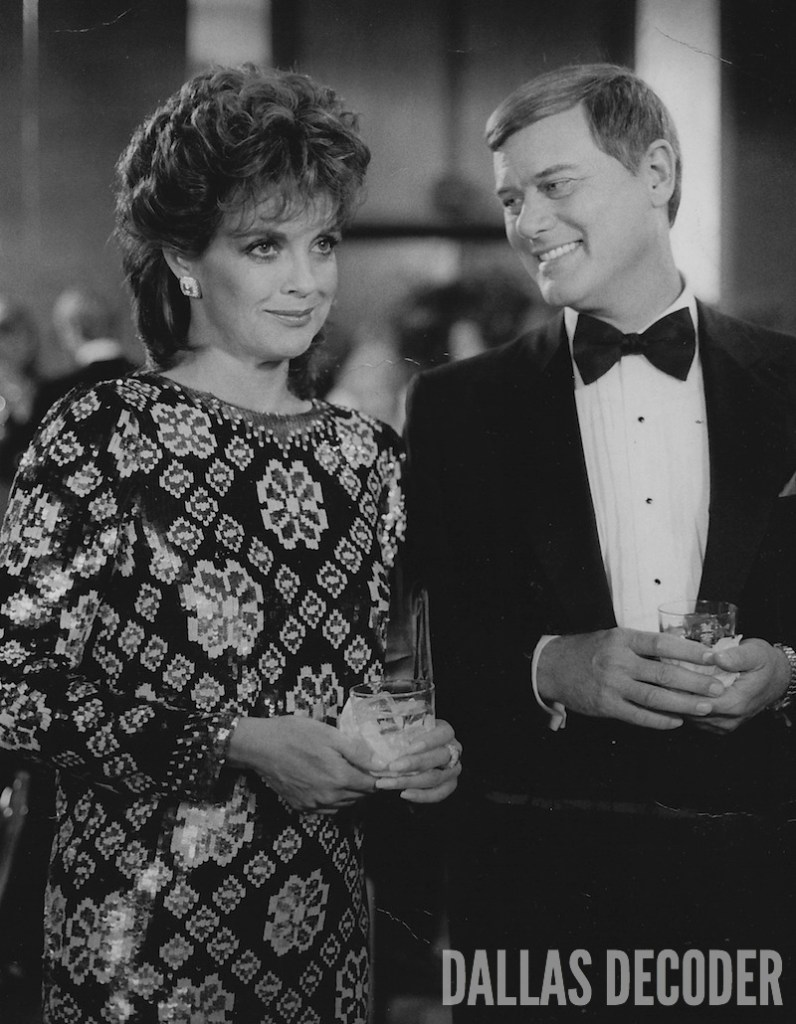
J.R. (Larry Hagman) beams at Sue Ellen (Linda Gray) while attending the Oil Baron’s Ball in this 1982 publicity shot from “The Big Ball,” a sixth-season “Dallas” episode.

Dallas Scene of the Day: ‘Jock Ewing Was a Great Man’

Barbara Bel Geddes, Big Ball, Dallas, Miss Ellie Ewing

The queen’s speech

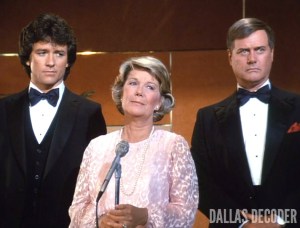
In “The Big Ball,” a sixth-season “Dallas” episode, after Punk announces the Jock Ewing Scholarship at the Oil Barons Ball, Miss Ellie (Barbara Bel Geddes) addresses the audience, flanked by Bobby and J.R.

ELLIE: Jock Ewing was a great man, measured in the only true value of a man. Not in money or power, but in friends. As I look around, I see so many of you that called Jock “friend.” And he was my husband. But more than that, he was my best friend. I know how much you all miss him. But in a way, he’ll always be alive in your memories. And in his family. And now through the scholarships of SMU. I know how very proud he’d be if he knew what you’d done for him. And perhaps he does. And for him, and for me, I thank you. My life will never be the same without him. But Jock — of all men — always believed that you had to be ready to face tomorrow. And so we will. I’ll always know that my sons had the finest father, and I was married to the finest man that God ever put on this earth.

Critique: ‘Dallas’ Episode 107 — ‘The Big Ball’

Barbara Bel Geddes, Bobby Ewing, Big Ball, Dallas, J.R. Ewing, Larry Hagman, Miss Ellie Ewing, Patrick Duffy

Mama’s family

No matter how often I see it, the next-to-last scene in “The Big Ball” always gives me goose bumps. Punk Anderson stands before a packed ballroom of tuxedo-clad oilmen and their gussied up wives and announces the establishment of the Jock Ewing memorial scholarship. “I don’t know what old Jock would have said about this, but … maybe Miss Ellie could speak for him,” Punk says. The camera cuts to the Ewing matriarch, who is weeping at a table with her family. Silence. Slowly, Bobby rises and begins clapping, followed — one by one — by J.R., Pam and Sue Ellen. Finally, the entire room erupts as Ellie’s sons escort her to the stage.

The speech that follows proves worthy of the dramatic setup. “Jock Ewing was a great man, measured in the only true value of a man. Not in money or power, but in friends,” Ellie says. This is my favorite line in Leonard Katzman’s script. I don’t remember watching “The Big Ball” on the night it debuted in 1982, but I remember reading that statement a few years later in Laura von Wormer’s “Dallas” book. I’ve never forgotten it. I also love how Barbara Bel Geddes delivers the line and the rest of the speech. This is one of those moments when Bel Geddes makes me forget I’m watching an actress playing a TV character. In that moment, she is a Texas widow eulogizing her husband in front of their family and friends. It’s a beautiful, moving performance.

“The Big Ball” is the first “Dallas” episode set at the Oil Baron’s Ball, which became one of the show’s best-loved traditions. In later years, the ball is the setting for big, dramatic showdowns and even a food fight or two, but the affair depicted here is rather subdued. Not that I’m complaining. The real appeal of the Oil Baron’s Ball episodes has always come from seeing the entire “Dallas” universe in one room. From this perspective, “The Big Ball” doesn’t disappoint. In addition to Ellie and her sons and their significant others, this ball brings together Cliff, Rebecca, Clayton, Jordan, Marilee, Holly and an interesting newcomer: Frank Crutcher, played by the old western actor Dale Robertson, who had recently concluded a brief-but-memorable run on rival soap “Dynasty.”

The ballroom sequences contrast nicely with the scenes set in Emporia, Kansas, where Ray and Donna attend the funeral of Amos Krebbs. I don’t know where these scenes were shot — my guess is they were filmed somewhere in North Texas — but it looks and feels like a sleepy town in the Midwest. When Ray and Donna arrive at Aunt Lil’s house, notice the neighbors sitting on the front porch across the street. The guest stars lend an air of authenticity too: Kate Reid is utterly believable in her second appearance as humble, homespun Lil, while Timothy Patrick Murphy is terrific in his “Dallas” debut as cocky, restless Mickey.

I also can’t help but feel touched by Steve Kanaly’s heartfelt performance in the scene where Amos is buried. Ray, who doesn’t want his Kansas relatives to know that he was really Jock Ewing’s son, kneels at his mother Margaret’s tombstone. “Probably better that it happened this way, Mama,” Ray says. “Nobody knows the truth. Chances are old Amos is probably headed in the opposite direction than you anyhow.” Besides serving as this episode’s other great speech, Ray’s monologue puts a nice punctuation mark on the saga of Jock, Amos and Margaret, which was revealed in the fourth-season classic “The Fourth Son.” The funeral might be for Amos, but Margaret is the one we end up mourning in this scene.

“The Big Ball” also features Jared Martin’s first appearance on “Dallas” since Dusty bid Sue Ellen farewell in the fifth-season episode “Starting Over.” I’ve always loved Martin’s chemistry with Linda Gray, but frankly their characters annoy me a little here. Dusty rides out to a Southern Cross pasture to find Sue Ellen, they have a heart-to-heart talk and then they return together to the house where — surprise! — he introduces her to his new wife. It makes for a dramatic moment, but couldn’t Dusty have found a kinder way to let Sue Ellen know he has married another woman? The disappointment ends up sending Sue Ellen back to Southfork, and not a moment too soon. After all, she does have a child to raise, doesn’t she?

Grade: A

_______________________________________________________________________________________________________________________________________________

Big Ball, Dallas, Kate Reid, Lil Trotter, Ray Krebbs, Steve Kanaly

No place like home

‘THE BIG BALL’

Season 6, Episode 4

Airdate: October 22, 1982

Audience: 20.7 million homes, ranking 3rd in the weekly ratings

Writer and Director: Leonard Katzman

Synopsis: Sue Ellen leaves the Southern Cross after Dusty visits with his new wife. Ray and Donna go to Kansas for Amos’s funeral, where they meet Mickey Trotter, Ray’s angry young cousin. At the Oil Baron’s Ball, Miss Ellie meets Frank Crutcher and Pam discovers her mother is dating Clayton. After the ball, Ellie decides to have Jock declared legally dead.

Cast: Melody Anderson (Linda Farlow), Barbara Bel Geddes (Miss Ellie Ewing), Lois Chiles (Holly Harwood), Roseanna Christiansen (Teresa), Patrick Duffy (Bobby Ewing), Fern Fitzgerald (Marilee Stone), Linda Gray (Sue Ellen Ewing), Larry Hagman (J.R. Ewing), Alice Hirson (Mavis Anderson), Susan Howard (Donna Krebbs), Steve Kanaly (Ray Krebbs), Howard Keel (Clayton Farlow), Ken Kercheval (Cliff Barnes), Audrey Landers (Afton Cooper), Jared Martin (Dusty Farlow), Timothy Patrick Murphy (Mickey Trotter), Priscilla Pointer (Rebecca Wentworth), Victoria Principal (Pam Ewing), Kate Reid (Lil Trotter), Dale Robertson (Frank Crutcher), Don Starr (Jordan Lee), Charlene Tilton (Lucy Cooper), Morgan Woodward (Punk Anderson)

“The Big Ball” is available on DVD and at Amazon.com and iTunes. Watch the episode and share your comments below.

Tonight on #DallasChat: ‘Business and Family’

The wheeler dealer

The wheeler dealer

I’ll host Dallas Decoder’s next #DallasChat on Twitter on Monday, June 3, from 9 to 10 p.m. Eastern time. The theme: “Business and Family.”

As always, I’ll tweet a question every few minutes. Each question will be numbered and include the hashtag #DallasChat, so your responses should do the same. A sample exchange:

Q1. On #Dallas, who is a better businessman: J.R. or Bobby? #DallasChat

A1. J.R.! He was the Ewings’ best wheeler and dealer. #DallasChat

Feel free to respond to what other people are saying and start “side conversations” of your own.

Two tips:

• During the chat, enter the hashtag #DallasChat in Twitter’s search field. This will help you watch the search results so you can follow the conversation. Be sure to click on “All” to see all the related tweets.

• Don’t forget to include the hashtag #DallasChat in each tweet you send so others can see your contributions to the conversation.

See you tonight on Twitter!

The Art of Dallas: ‘Billion Dollar Question’

Afton Cooper, Audrey Landers, Billion Dollar Question, Cliff Barnes, Dallas, Ken Kercheval

Afton and Cliff (Audrey Landers, Ken Kercheval) discuss his career choices in this 1982 publicity shot from “Billion Dollar Question,” a sixth-season “Dallas” episode.

Dallas Scene of the Day: ‘Mama, You Don’t Know’

Billion Dollar Question, Dallas, J.R. Ewing, Larry Hagman

His father’s son

In “Billion Dollar Question,” a sixth-season “Dallas” episode, Miss Ellie and J.R. (Barbara Bel Geddes, Larry Hagman) sit at the breakfast table on the Southfork patio after Bobby and Pam depart.

ELLIE: You look as if you’re going into town.

J.R.: Well, there’s nothing to do here. Ray’s got the ranch under control and I wasn’t cut out to punch cattle, that’s for sure.

ELLIE: No, I guess not.

J.R.: Bobby’s living my life. He’s doing everything I should be doing. [Pours coffee]

ELLIE: J.R., I know how you feel. You are my son and I do care about you.

J.R.: I have a hard time believing that right now. [Takes a bite]

ELLIE: I know what Ewing Oil means to you. But I can’t allow the company to be used to savagely destroy someone.

J.R.: [Tosses down his napkin, rises from his seat] Mama, I worked for a number of years with Daddy, side by side when he was running Ewing Oil. Now he was a fair man. But he was tough and ruthless when he had to be. He wouldn’t let the runny-nose, spineless Cliff Barneses of this world tell him what to do.

ELLIE: Your daddy never set a trap the way you did for Cliff.

J.R.: Mama, you don’t know the half of what Daddy did when he was running that company. He brought strong leadership to the company and he brought strong leadership to the family. You think he’d approve of the way the family’s been handled since he died? In that letter he sent you, dividing up all the shares? Supposed to be temporary. Well, how long is temporary? What direction is the family going in, anyhow? Who’s going to provide for Christopher, John Ross and Lucy? Are you handling the family the way he would want you to?

Critique: ‘Dallas’ Episode 106 — ‘Billion Dollar Question’

Billion Dollas Question, Charlene Tilton, Dallas, Lucy Cooper, Pam Ewing, Victoria Principal

Sob sisters

“Billion Dollar Question” is dominated by the Ewings’ squabbling over whether to have Jock declared legally dead, but I find the subplot about Lucy’s abortion much more interesting. “Dallas” handles her situation with a good deal of sensitivity and care, making this one of those times when the show seems to want to make its audience think, not just entertain them. It’s nicely done.

In the preceding episodes, Lucy learns she’s pregnant after being raped by her stalker, Roger Larson, and tells Pam she’s decided to have an abortion. At the beginning of “Billion Dollar Question,” Lucy’s doctor warns her some women have “tremendous psychological problems” after having the procedure, but Lucy is adamant that she wants to terminate the pregnancy. “I was raped. How could I be a good mother if every time I looked at the baby, it reminded me of that?” she asks. Lucy also rejects the idea of putting the child up for adoption, telling the doctor: “If I don’t get this over and behind me, I think I may just go out of my mind.”

Later in “Billion Dollar Question,” Pam visits Lucy at Dallas Memorial Hospital, where Lucy is anxiously waiting to have the procedure done. When Lucy asks Pam what she would do if she were in a similar situation, Pam recalls her own struggle to have children, adding that she isn’t sure how she would respond if she became pregnant after a rape. “Pam, don’t hate me for this,” Lucy says. Pam’s response: “Hate you? I could never hate you, no matter what. I love you.” The next time we see the two women, the abortion is over and Lucy is crying in her hospital bed as Pam strokes her hair. “I don’t know if I did the right thing or not,” Lucy says.

Arthur Bernard Lewis’s script doesn’t really take a side on the abortion debate, allowing the audience to decide for itself if Lucy made the best decision. It’s worth noting that Pam, “Dallas’s” original moral compass, shows compassion toward Lucy, even if she doesn’t necessarily agree with her decision. Pam also respects Lucy’s privacy — to a point. She breaks her niece’s confidence when she tells Bobby that Lucy had an abortion, but when Bobby suggests Miss Ellie should know too, Pam responds: “I don’t think we should be the ones to tell her. That’s something Lucy’s got to work out for herself.”

Charlene Tilton and Victoria Principal both deliver nice performances throughout this episode, although not everything about the storyline holds up. At times, Lewis’s script gets bogged down in the sexism that pervades this era of “Dallas.” When Pam asks the doctor if Lucy is emotionally prepared for an abortion, he responds, “I’ve always felt it’s very difficult for a man to make a proper judgment in a case like this. Very difficult.” Later, as Lucy is getting ready to leave the hospital, she tells Pam the doctor has assured her she’ll be able to have a baby one day. “And I will want one, when I find the right man,” Lucy says. Other lines sounds like they come straight from a medical encyclopedia: There are numerous references to the procedure being a “therapeutic abortion,” for example.

Of course, this attention to detail isn’t an altogether bad thing. When I recently watched “Billion Dollar Question” for the first time in years, I found it odd that Lucy had the abortion at Dallas Memorial and not a clinic — until I did some research and discovered some hospitals do, in fact, perform the procedure. Lucy refers to this when she tells Pam, “I should have just gone to a clinic. Everything takes so long here. … I’ve heard of women going in, a few hours later they go home. It’s over.”

I know a lot of  fans watch “Dallas” for escapism, but the producers deserve credit for their willingness to tackle a topic that, in some respects, remains taboo on television. Bea Arthur’s character famously had TV’s first abortion in a 1972 episode of “Maude,” but there aren’t many other examples from ’70s and ’80s television. Yet when histories of abortion in prime time are written, Lucy’s is almost always omitted. Did her procedure generate less controversy because it was the result of a rape? Does she get overlooked because “Dallas” is a soap opera?

Besides Lucy’s storyline, “Billion Dollar Question” is also distinguished by J.R. and Holly’s scenes aboard her yacht, which showcase the playful chemistry between Larry Hagman and Lois Chiles, as well as a nifty bird’s eye shot of J.R. tooling along the highway in his Mercedes. I also like Barbara Bel Geddes’ scene with Hagman, when Miss Ellie tells J.R. that his father never played dirty when he was president of Ewing Oil. J.R.’s response: “Mama, you don’t know the half of what Daddy did when he was running that company.” For once, I get the feeling he isn’t exaggerating.

Grade: B

_______________________________________________________________________________________________________________________________________________

Billion Dollas Question, Dallas, Holly Harwood, J.R. Ewing, Larry Hagman, Lois Chiles

Das boots

‘BILLION DOLLAR QUESTION’

Season 6, Episode 3

Airdate: October 15, 1982

Audience: 17.2 million homes, ranking 12th in the weekly ratings

Writer: Arthur Bernard Lewis

Director: Michael Preece

Synopsis: J.R. pressures Miss Ellie to have Jock declared legally dead but she tells him she needs more time. Holly rejects J.R.’s offer to mix business with pleasure and questions his advice to buy a refinery. Lucy has an abortion. Cliff accepts Marilee’s job offer. Ray learns Amos has died. Clayton tells Sue Ellen that Dusty is planning a visit to the Southern Cross.

Cast: Tyler Banks (John Ross Ewing), Barbara Bel Geddes (Miss Ellie Ewing), Lois Chiles (Holly Harwood), Roseanna Christiansen (Teresa), Patrick Duffy (Bobby Ewing), Fern Fitzgerald (Marilee Stone), Linda Gray (Sue Ellen Ewing), Larry Hagman (J.R. Ewing), Alice Hirson (Mavis Anderson), Susan Howard (Donna Krebbs), Steve Kanaly (Ray Krebbs), Howard Keel (Clayton Farlow), Ken Kercheval (Cliff Barnes), Audrey Landers (Afton Cooper), Dennis Lipscomb (Nelson Harding), Frank Marth (Dr. Grovner), George O. Petrie (Harv Smithfield), Priscilla Pointer (Rebecca Wentworth), Victoria Principal (Pam Ewing), Kate Reid (Lil Trotter), Charlene Tilton (Lucy Cooper)

“Billion Dollar Question” is available on DVD and at Amazon.com and iTunes. Watch the episode and share your comments below.

Dallas Cliffhanger Classics: Season 1

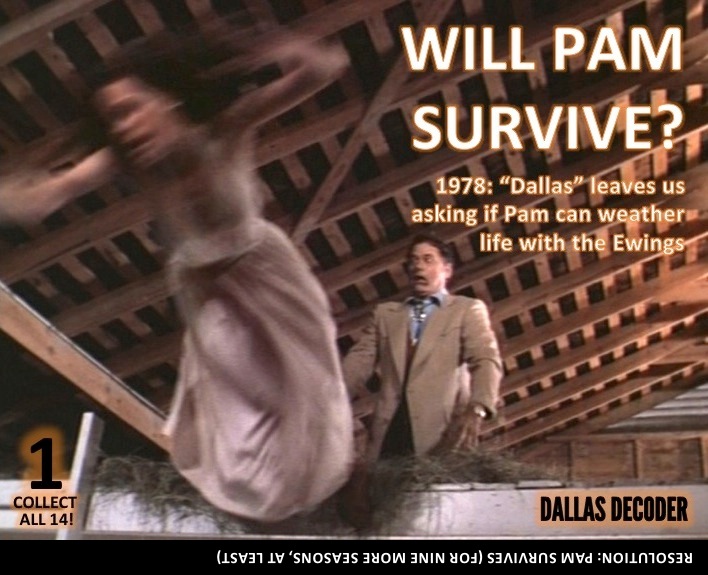
Dallas Decoder celebrates “Dallas’s” classic cliffhangers with weekly summertime flashbacks. Collect all 14 images and share them with your friends.

Dallas Cliffhanger Classics 1

The Art of Dallas: ‘Where There’s a Will’

Dallas, J.R. Ewing, Larry Hagman, Serena, Stephanie Blackmore, Where There's a Will

Serena and J.R. (Stephanie Blackmore, Larry Hagman) complete another scheme in this 1982 publicity shot from “Where There’s a Will,” a sixth-season “Dallas” episode.