One Year After ‘Dallas,’ Cast and Crew Keep Busy

Dallas, Josh Henderson, TNT

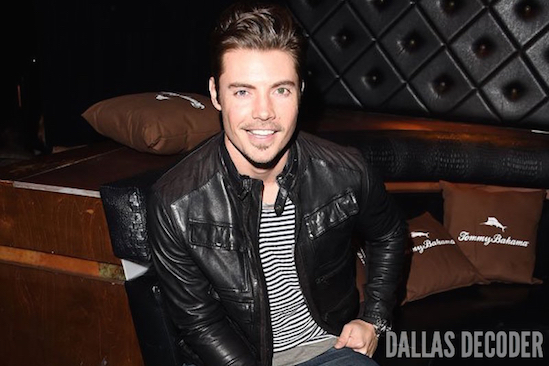
Josh Henderson in August (Getty Images)

The final episode of TNT’s “Dallas” aired one year ago today. Here’s an update on the show’s stars and key players from behind the scenes.

JOSH HENDERSON has been cast as the male lead in “The Arrangement,” an eagerly anticipated E! pilot about an actress who is offered $10 million to marry Hollywood’s biggest star. Filming began this month in Vancouver.
Patrick Duffy, June (Getty Images)

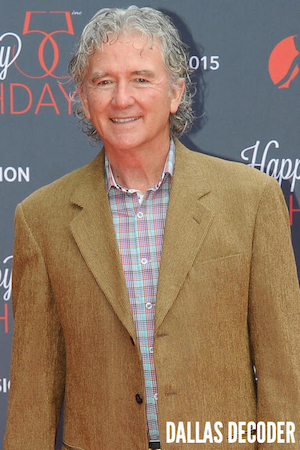
Patrick Duffy in June (Getty Images)

PATRICK DUFFY will appear in “Trafficked,” a forthcoming feature film based on the best-selling book “Sex Trafficking: Inside the Business of Modern Slavery.” Duffy also led the TV series jury at the prestigious Monte Carlo Television Festival, and he guest starred on NBC’s “Welcome to Sweden” and ABC Family’s “The Fosters.”

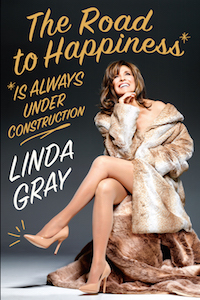
LINDA GRAY published her memoirs, “The Road to Happiness is Always Under Construction,” guest starred on CW’s “Significant Mother” and appeared in the Hallmark Channel movie “Perfect Match.” She also stars in “Wally’s Will,” an independent short slated to play at film festivals.

JESSE METCALFE will be seen in “God’s Not Dead 2,” a Christian-themed film now in production. He also appeared in Hallmark Channel’s “A Country Wedding,” which drew big numbers in June, and the online flick “Dead Rising: Watchtower.”

JORDANA BREWSTER reprised her role as Mia in the latest “Fast and Furious” flick, “Furious 7,” which has grossed $1.5 billion since its release in April. Next up: Brewster will appear alongside John Travolta and Cuba Gooding Jr. in FX’s “American Crime Story,” a 2016 series about the O.J. Simpson trial, and then she’ll star in the second season of the ABC crime drama “Secrets and Lies.”

JULIE GONZALO has roles in two forthcoming films: “Waffle Street,” which stars Danny Glover, and the romantic comedy “The List.” She also stars in the independent film “I Did Not Forget You,” produced by Brenda Strong.
Brenda Strong, Dallas, TNT

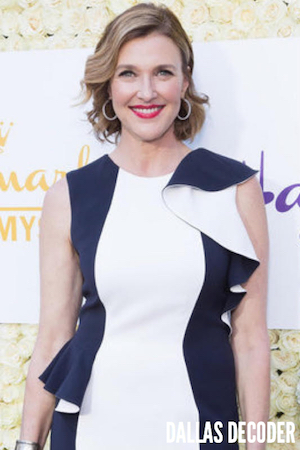
Brenda Strong in July (Hallmark Channel)

BRENDA STRONG has joined the cast of “The 100,” a CW fantasy series that will return for its third season next year. The newly married Strong also co-stars in “Ice Sculpture Christmas,” a Hallmark Channel holiday movie.

MITCH PILEGGI will reprise his role as Walter Skinner in Fox’s six-episode “The X-Files” revival, slated to debut January 24. He also can be seen in the film “The Girl in the Photographs,” and he did a guest stint on CBS’s “Blue Bloods.”

EMMA BELL has been cast as the young Emily Dickinson in “A Quiet Passion,” a film starring Cynthia Nixon as the adult poet. Bell also stars in the short film “BYoutiful” and has roles in two other projects, “The Good Ones” and “See You in Valhalla.”

JUDITH LIGHT plays a grandmother in the recent release “Digging for Fire,” starring Orlando Bloom. She’ll also continue to be seen in Amazon’s Emmy-winning series “Transparent,” which will begin its second season December 4.

JUAN PABLO DI PACE played Jesus in NBC’s “A.D. The Bible Continues,” which aired in the spring. Di Pace will next be seen in the feature film “After the Reality” starring Matthew Morrison and Jane Lynch.

KEVIN PAGE has opened a gallery in Dallas to showcase artworks created through three-dimensional printing. His website is http://kevinpage3d.com/.

CYNTHIA CIDRE (Executive producer) is now an executive producer of ABC’s “Dallas”-esque drama “Blood and Oil,” which debuts September 27.

RODNEY CHARTERS (Cinematographer) is shooting director Zach Braff’s feature film “Going in Style,” which stars Morgan Freeman, Michael Caine and Alan Arkin as three retirees who plan a bank heist.

RACHEL SAGE KUNIN (Costume designer) has brought her talents to CW’s “Jane the Virgin,” which will begin its second season October 12.

CHARLES YUSKO (Hair stylist) is now hair department head for “From Dusk Till Dawn,” a series on the El Ray channel.

Which projects from the “Dallas” cast and crew are you looking forward to? Share your comments below and read more news from Dallas Decoder.
‘Swan Song’: Making a ‘Dallas’ Classic

Bobby Ewing, Dallas, Pam Ewing, Patrick Duffy, Swan Song, Victoria Principal

End of the road

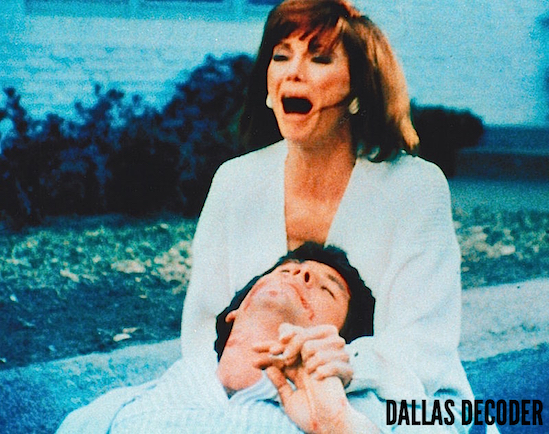
Ask “Dallas” fans to name their favorite episode and many will say “Swan Song,” the 1985 segment in which Bobby dies heroically after saving Pam’s life. Although the death was later written off as a dream, the episode remains moving and memorable. To mark its 30th anniversary, I spoke to eight “Dallas” insiders who had a hand in making the classic.

***

Changes were afoot as production on “Dallas’s” eighth season neared completion in early 1985. The CBS drama was still popular, but the ratings had slipped. The show also was getting ready to bid farewell to star Patrick Duffy, who had been playing Bobby Ewing since 1978.

PATRICK DUFFY I left not for any negative reason. I was at the end of my contract, which was for seven years. I thought, if ever there was going to be an opportunity to try something different, this was it.

STEVE KANALY People who worked on the show were talking about it, wondering what was going to happen. Larry [Hagman] was probably the most upset because he wanted to keep everybody together. That’s how he saw the show succeeding. On the other hand, Larry and Patrick were very, very close, and you want your friend to have his shot. You can’t blame Patrick for wanting to see what’s on the other side of the fence.

MICHAEL PREECE (“Dallas” director) I can understand why he wanted to leave. He got to the point where he said, “I don’t read the scripts. I know what my character is going to say.” Patrick is a very bright guy, and he would look at a long speech — a one-minute speech — and say, “Yeah, yeah. I’ve said this before. I know what to say.” And he would be pretty right on.

Duffy wasn’t the only member of the original cast preparing to exit. The producers decided to not renew the contract of Charlene Tilton, telling the actress they had run out of storylines for her character, Lucy Ewing.

CHARLENE TILTON At the time, they told me to make a statement saying that I chose to leave because I wanted to pursue other ventures, and I said, “Nope. You guys let me go and I’m going to tell the truth.” And I did. In all the interviews I did, I told the truth. I never would have chosen to leave the show, I didn’t want to leave the show. I was heartbroken, devastated, shocked.

LINDA GRAY I felt it was a mistake [to let Tilton go]. When people tune in to see a family drama, they want to see the family. Fans don’t like it when that dynamic is interfered with. As dysfunctional as the Ewings were, the audience wanted the family to stay together.

Bobby Ewing, Dallas, Patrick Duffy, Swan Song

Bobby Ewing, Dallas, Patrick Duffy, Swan Song

Irreplaceable

“Dallas” producer Leonard Katzman decided to write out Tilton by having Lucy leave town. Duffy’s character would receive a more dramatic exit, however. Believing the audience would not accept another actor in the role — and since it was unlikely Bobby would leave Southfork — the decision was made to kill off the character.

DUFFY I never intended to come back, and the death of the hero is a pretty powerful way to [end a season]. It made sense from a dramatic perspective.

DAVID JACOBS (“Dallas” creator) They didn’t want to leave anything open. They wanted the death to be final. The audience is very smart. They’ve been manipulated so much through the years that if they didn’t see the body, they would have expected it was just a ploy, like the show was giving [Duffy] a year off to make a movie or something. But he wasn’t planning to come back.

Katzman — after spending years clashing with executive producer Phil Capice — was quietly preparing to leave “Dallas” too. He was developing his own series at ABC.

JACOBS This is me speculating, but I think Leonard was getting a little tired of it. He was tired of the conflicts with Phil. I also think it annoyed Leonard that when something big happened on “Dallas,” like the “Who Shot J.R.?” episode, that I would get so much press because I created the show. He wanted to develop a show that could be his from the get-go. Leonard had something to prove, just like we all have something to prove.

PREECE Lenny did everything [on “Dallas.”] He wrote it, directed it, produced it. The crew, the cast — everyone was sorry to see him go.

DEBORAH RENNARD (Sly) Every organization is colored by the person at the top. They set the tone, and even if Leonard wasn’t directing an episode and wasn’t literally on the set, somehow his presence was there. … When we found he was leaving, it was like, “How do we go on without him?”

Dallas, Ray Krebbs, Steve Kanaly, Swan Song

Reflections

In March 1985, cameras rolled on the eighth-season finale, which Katzman wrote and directed himself. Details were shrouded in secrecy.

DEBORAH TRANELLI (Phyllis) It was like guarding military secrets for fear that things might leak out to the media before the airdate.

Although the script was titled “Swan Song,” the focus isn’t exclusively on the departing characters. The episode also features a moving scene in which Ray pleads with his estranged wife Donna (Susan Howard) to return to him. In another memorable exchange, J.R. accuses Sue Ellen of drinking again. Her response: “Joan of Arc would have been drunk if she had been married to you.”

KANALY I can recall the scene I played with Susan, outside the house in the dark, next to the pool. From the perspective of an actor in an ensemble, I remember thinking, “Okay, it’s my turn now.” Those scenes don’t come every week. Sometimes they never come. But I had some big moments, and that was one of them.

GRAY I remember [the Joan of Arc line]. I loved all those great lines. Those are like gems. You see those on the page, and you think, “Yes, bring it on.”

Charlene Tilton, Lucy Ewing, Swan Song

Charlene Tilton, Dallas, Lucy Ewing, Swan Song

Goodbye girl

Another emotional high point: Lucy’s second wedding to Mitch Cooper (Leigh McCloskey) in the Southfork living room. The scene ends with Tilton’s character telling the Ewings, “I’m going to miss you all. I’ll never be the same again.”

TILTON I remember filming that like it was yesterday. I was saying it from the heart, but I was also saying it from a point of maturity. I wasn’t taking it personally. They didn’t know what to do with my character. I get that. So that line was very genuine, because these people had become my family.

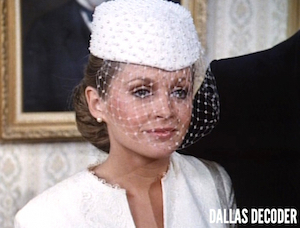
Tilton also remembers the white suit she wears in the scene, which was filmed shortly before Easter.

TILTON I told [the producers], “I want to wear this to church on Easter Sunday!” And they let me do it. I didn’t wear the veil, though. [Laughs]

Bobby Ewing, Dallas, Pam Ewing, Patrick Duffy, Swan Song, Victoria Principal

Til death

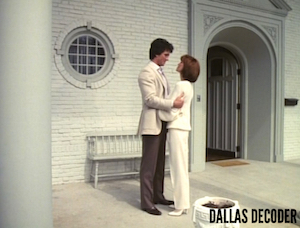
Although “Dallas” usually filmed in Los Angeles during the winter and spring, Katzman secretly took a skeleton crew to Texas to shoot the pivotal scene in which Bobby pushes Pam (Victoria Principal) out of the path of a speeding car being driven by vengeful Katherine Wentworth (Morgan Brittany). The scene ends with Pam crawling to Bobby and cradling him in her arms — a move Principal later said was improvised.

DUFFY I totally understand that. I don’t think she thought, “Oh, this would be charming if I crawled to him.” I think she was in the moment, and I think that’s why she screamed so loud. I know she wouldn’t have done that had she thought about it ahead of time. And it was loud! It made my ears ring. But that’s because it was real for her.

That night, Duffy and a friend from the crew went out to dinner.

DUFFY He had a couple of beers. But I drank more than I normally would, and I know it’s because [the driveway scene] affected me. I had just filmed what I thought was going to be the end of Bobby, other than the death scene at the hospital. It was a there’s-no-going-back-now kind of thing.

Dallas, Deborah Tranelli, Phyllis Wapner, Swan Song

For real

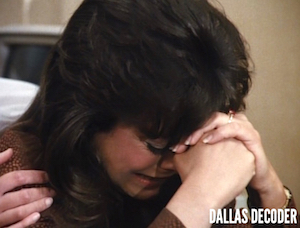
In another touching sequence, J.R. is visiting mistress Mandy Winger (Deborah Shelton) when he calls the office to tell the secretaries he won’t be coming into work that day. When Sly answers the phone, Phyllis is in tears.

TRANELLI It’s a very simple scene. I don’t speak a word. Someone once said to me, “The tears look so real.” I jokingly said, “Well, of course they were. I thought I was out of a job!” [Laughs] But the truth is, I loved Patrick, and Phyllis loved Bobby, and I was losing both. So the tears were genuine.

RENNARD She did lovely work on that scene. She always did excellent work on the show.

TRANELLI Deborah and I were good friends. So it was very touching to have someone that I trusted, as a friend and an actor, there sharing that very vulnerable moment with me.

Bobby Ewing, Dallas, Leonard Katzman, Patrick Duffy, Swan Song

Dallas, J.R. Ewing, Larry Hagman, Swan Song

Trail of tears

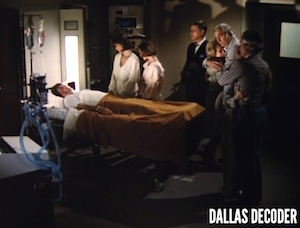
Scenes in each “Dallas” episode often were filmed out of order and then edited together before broadcast. With “Swan Song,” Katzman insisted the final scene shown — Bobby’s hospital deathbed farewell — should also be the last episode filmed. It was shot Friday, March 29, 1985.

DUFFY There was no way to film that scene and then shoot a scene of Bobby at the office, and then do J.R. coming home from work. [The deathbed scene] was the last scene of that episode, and we filmed it on the last day of production. Leonard knew that after that, everybody was going to be gone emotionally.

Bobby dies surrounded by his family, but there are two notable absences: Sue Ellen and Lucy.

GRAY I didn’t take it personally like, “Oh dear, Sue Ellen should be at the deathbed.” When you work on a show like “Dallas,” the hours are long, and so when you get a day off, you’re thrilled. And I was never one to go to Leonard and say, “I should be there.”

TILTON I was disappointed, but that’s the business.

The scene is filled with tears — especially from Ray, who holds Donna and sobs.

KANALY I was feeling both the pain of Bobby Ewing dying and the pain of losing my friend Patrick Duffy from the show. Those are real tears on my part. Reality and acting get all mixed up for awhile. I think that’s where I was. We all had a big cry.

Katzman arranged the actors around Bobby’s deathbed, placing the character’s two love interests — Pam and Jenna Wade (Priscilla Presley) — side by side.

DUFFY Leonard did that intentionally, because when Bobby says, “We wasted so much time,” you never know which one he’s talking to. It was brilliantly directed.

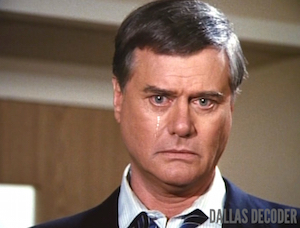
When Bobby takes his last breath, the monitor near his bed flat lines. The sound jolts Principal and prompts Hagman to step forward and deliver J.R.’s tearful plea, “Don’t do this to me, Bobby. Don’t leave me.”

DUFFY When the flat line happens, they actually had the sound on stage because Leonard wanted everybody’s reaction to that piercing, monotone note. And I knew the sound would go on for a while so Leonard could pan to each person for their reaction. But [the sound] kept going, and it kept going, and it kept going. And that’s because Leonard was crying and couldn’t cut the camera. He couldn’t bring himself to say the word “cut” and end the scene, and end his association with the show. He was the life of “Dallas.”

Dallas, Ray Krebbs, Swan Song, Steve Kanaly

Bobby Ewing, Clayton Farlow, Dallas, Donna Krebbs, Donna Reed, Howard Keel, Jenna Wade, J.R. Ewing, Larry Hagman, Miss Ellie Ewing Farlow, Pam Ewing, Patrick Duffy, Priscilla Beaulieu Presley, Ray Krebbs, Susan Howard, Swan Song

Death be proud

“Swan Song” aired May 17, 1985. The episode earned critical raves and was the week’s most-watched show — the last time “Dallas” ever hit No. 1 in the ratings.

DUFFY A day or so after it aired, I trucked off to the local supermarket to do my shopping and got accosted in the parking lot by a weeping, wailing woman. She was straddling two worlds of reality, telling me how sad she was that I was dead, and yet she was standing there in the parking lot, talking to me. She couldn’t, at that moment, divide herself and say, “Boy, what a devastating scene that was. I’m really going to miss your character.” No, she was actually talking to dead Bobby. And I realized television can be a very influential thing in somebody’s life. A lot of people responded that way to his death.

The following season, “Dallas” dropped out of Nielsen’s top 5 while Katzman’s new show, “Our Family Honor,” was canceled after 13 episodes. By the spring of 1986, Katzman agreed to return to “Dallas,” this time replacing Capice as executive producer, and Hagman persuaded Duffy to return as Bobby.

JACOBS When Leonard told me the [dream scenario] idea, I said, “That is horrible. I think that’s terrible.” And Leonard said, “Okay, give me a better one. He’s no good to me except as Bobby Ewing.” I knew from experience that he was right.

DUFFY [Fans] invested in that moment, and they were told that what they invested in wasn’t real. So they feel cheated a bit. But they stayed with us as an audience. And there was no other way to bring Patrick Duffy back on the show “Dallas” as Bobby Ewing. There was no other way.

Today, “Swan Song” is seen as a watershed moment for “Dallas.” Audiences continue to admire the performances and Katzman’s writing and directing.

KANALY If you look at all the episodes, I think it’s probably a real standout. It had everything that made the show so popular.

DUFFY “Dallas” was so big then. I felt very proud — and I don’t know, fulfilled — to take part in something that was as big as the death of Bobby Ewing. I don’t mean that in an arrogant way. It’s just that as huge as “Dallas” was, we knew this was going to be a big deal. And it was kind of fun to be a part of it.

***

What do you love about “Swan Song”? Share your comments below and read more features from Dallas Decoder.
‘Road to Happiness’ Casts Linda Gray in a New Role: Teacher

Dallas, Linda Gray, Road to Happiness is Always Under Construction

Terrific explainer

Start reading Linda Gray’s new book, “The Road to Happiness is Always Under Construction,” and you might be struck by how much the actress has in common with her most famous character, Sue Ellen Ewing. Each woman’s life was touched by alcoholism (Sue Ellen suffered from the disease, while Gray is the daughter of an alcoholic), both had unhappy marriages, and professional success didn’t come easy for either of them. By the time you finish the book, though, there’s no mistaking this fact: While Gray and Sue Ellen had similar experiences, they came out of them as very different people.

Unlike her fictional counterpart, Gray learns from her mistakes — and she’s eager to share those lessons with her readers. This is what makes “The Road to Happiness” unique. To describe the book as a memoir doesn’t do it justice. Yes, Gray writes about her ups and downs, but she also tells you what she took away from each experience and offers advice on how you can apply her wisdom in your life. If the concept sounds preachy, don’t worry: Gray is remarkably down to earth, so her lessons come off more like helpful reminders than commandments from Mount Celebrity. This is a self-help book from an author who isn’t self-important.

True to its title, “The Road to Happiness” covers Gray’s 75-year journey. You’ll read how she overcame polio as a child and extreme shyness as a teenager to become a top model in advertising. You’ll also learn about her troubled marriage to album designer Ed Thrasher, including how she defied him by enrolling in the acting class that eventually led to her casting on “Dallas.” (Gray’s lesson here: Never ask permission for something you really want.) Not everything in the book is flattering — Gray concedes she was driven by ego when she took a starring role on the ill-fated “Models Inc.” — nor is everything serious. I won’t give away the details, but there’s an excellent reason Gray’s impromptu lunch with Elizabeth Taylor yields this bit of advice: Always check your face before you sit down to eat with people.

Of course, the book has plenty for “Dallas” diehards too. You’ll read how Gray aced her audition for Sue Ellen and how growing up with an alcoholic mother shaped her portrayal of the character, as well as her four favorite “Dallas” moments. There’s also quite a bit more to one of the topics Gray discussed in our recent interview: her behind-the-scenes campaign to direct an episode of the series. In fact, a lot of the “Dallas” material in “The Road to Happiness” was new to me. I didn’t realize, for example, that Gray knew Patrick Duffy before doing the show. (This always irked Larry Hagman, she jokes.) I also was surprised to learn the actress has no qualms about dating younger men, another point of departure from Sue Ellen. Gray describes filming the 1984 scene in which Sue Ellen is mortified to be mistaken for the mother of her college-age lover, Peter Richards. “Yup, this is called acting,” she writes.

The biggest surprise of all — for me, anyway — is how much I enjoyed the non-“Dallas” stuff. I’ve spent a long time admiring Gray’s acting talent. Now I appreciate her on another level. This is a smart lady with a lot of wisdom to share, and it’s easy to see why she bonded with the Zen-like Duffy and the free-spirited Hagman. In fact, reading “The Road to Happiness,” my mind kept drifting back to Hagman’s famous mantra: “Don’t worry, be happy, feel good.” I’ve always admired that sentiment and wondered how to achieve it. Now here’s Gray to explain it.

Make no mistake: Although the September 8 release date for “The Road to Happiness” is timed to coincide with Gray’s 75th birthday four days later, there’s something serendipitous about the fact that the publication date also falls during what’s traditionally back-to-school week. Linda Gray, it turns out, is a hell of a teacher.

Pre-order your copy of “The Road to Happiness is Always Under Construction” online, share your comments below and read more opinions from Dallas Decoder.
The Dallas Decoder Interview: Linda Gray

Linda Gray, Road to Happiness is Always Under Construction, Ryder Sloan

Linda Gray (Photo by Ryder Sloane)

Linda Gray’s eagerly awaited memoir, “The Road to Happiness is Always Under Construction,” includes her reflections on life, her memories of “Dallas,” and lots of fun anecdotes — like the time Elizabeth Taylor jokingly referred to her as “the bitch with the long legs.” I spoke with Gray recently about the book, which will be released Tuesday, September 8.

Am I speaking to the “b” with the long legs?

[Laughs] You’re so funny. I think so, the last time I looked. Yep, that’s me.

I can’t bring myself to use the actual “b” word to describe you, but I guess Elizabeth Taylor could get away with it.

Yeah, she could. I just thought it was so funny because when she said that, everybody in the room fell down and laughed.

Well, before we get into that, let me just say: I love this book.

You sweetheart.

No, seriously. This book makes me want to be a better person.

Oh, bless you. I really spoke from my heart, and I wanted people not to become better people. I wanted to sort of put them on a little leash and yank them a bit and say, “Come on, people. You got a short life here. Instead of whining and complaining about everything, you could be doing something else, and here’s what helped me over my speed bumps.”

That’s what I took away from your book: You have to choose to be happy yourself. It’s such a simple thing, but I think we sometimes need to have someone else point it out for us.

We forget. All this stuff [in the book] is not earth shattering. It’s not new. This is just a loving reminder that we all have speed bumps. We all have things in our lives that aren’t perfect, but we get over them, and it’s the way we choose to get over them that makes a difference.

One of the things that struck me is that you have a few things in common with Sue Ellen. You both struggled in your marriages, for example.

We had things in our lives that were parallel, but J.R. and Sue Ellen were much more volatile. My marriage was just kind of — I should never have married him. He should have been the funny, great guy that everybody loves — the life of the party — but I shouldn’t have married him.

I think that comes through in the book. Your marriage wasn’t the happiest, but it wasn’t as dramatic as Sue Ellen’s.

My ex-husband was just like, “Oh, she’s off working.” He didn’t quite get it. It was like he was trying really hard to understand what was happening, but he didn’t like it. He wanted me to stay home, and then when this whole “Dallas” thing came about, it threw him. But he wasn’t a bad guy. It just wasn’t meant to be, and I knew it early on.

It seems to me as if you and Sue Ellen had similar experiences, but you came out of them as very different people.

Oh, brilliant. Yeah, absolutely.

Dallas, Linda Gray, Sue Ellen Ewing

Playing Sue Ellen, 1978

And in a way, Sue Ellen helped you deal with your mother’s alcoholism.

Sue Ellen on many levels was a huge gift to me. “Dallas” allowed me to confront my mother in a lovely way.

When you were cast on the show, you showed her your scripts so she could see how drinking affects families.

That’s what I mean. That’s my gift. I was able to physically hand them to her and say to her, “Please read these. This is TV, everything is over the top, but I want you to see that the issue is still here.”

And that wasn’t easy for you.

It was the put-everything-under-the-rug, never-talk-about-anything generation that I grew up in. Alcoholism was never mentioned because “everybody drank.” So that’s something Sue Ellen really gave me — the healing I got with my mom.

In a way, Sue Ellen also paved the way for you to meet your idol, Bette Davis.

She was like my acting coach in my head because I thought she was the most authentic. I thought, “Wow! This is who I would like to emulate.” And when I was doing “Dallas,” they approached me about playing her role in a remake of “Now, Voyager.” I thought, “Oh, come on. No. I’m not doing that.”

And then she called you.

I will never forget it. I was feeding the cats in the kitchen, and they were crying, and I had the can opener in my hand, and then this voice says, “Miss Gray? Miss Davis here.”

You do a good impression of her!

She said, “My assistant will call you, and we’ll have a meeting,” and I said, “Fine.”

So what was it like when you finally met her?

Oh, my God. This was my idol. I’m sure I was incoherent. But she was wonderful, and she took me over to the window to look out at the water, and that’s when she said, “I’ve been watching [‘Dallas’].” And I thought, “Oh, no. Bette Davis is watching me act?” But she was a huge fan of the show.

In the book, you write that she proceeded to give you her opinion of the entire cast — but I noticed you left out what she said.

It wasn’t anything shocking. She was just so astute — so aware — that she could tell who people were just by watching them act.

That’s one of the fun stories in the book. You also write about hard things, like missing your son’s high school graduation because you had to work.

That was just so awful. My son is this angel. He’s very forgiving. And I had to call him to tell him that I wouldn’t be able to be there. And I kept telling him how sorry I was, and he’d pause and say, “That’s okay.” It made it worse. I mean, it was just one of those horrendous, horrendous moments.

“Dallas” fans are going to want to know what episode this was. You write that it was a scene that involved the whole cast.

I remember we were shooting it in the Southfork driveway, but I don’t know exactly what show it was or which scene it was.

Dallas, Just Desserts, Linda Gray

Directing “Dallas,” 1986

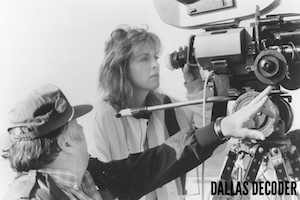
I also love the chapter where you write about directing your first “Dallas” episode. You really had to fight [executive producer] Leonard Katzman for that.

It had nothing to do with him as a person. That’s just how it was at the time. It’s like, “Well, a woman directing? How can this even be?”

How do you feel about Mr. Katzman today?

I feel I know him much better now in retrospect.

That’s interesting.

I think he was genius at the time. He was totally responsible for every single character on “Dallas” and how they were interwoven in the whole scheme of things. He could write an episode over a weekend and turn it in Monday, and it was brilliant. You have to marvel at that.

Oh, definitely.

Did I get along with him? No. Did I respect him? Yes, because of what he did. But it was a very chauvinistic show. The women were the bookends, as far as I was concerned. But still, underlying that, I think he was a genius.

You also have a fun story about one of the other geniuses in your life — Mr. Hagman.

The Bora Bora story.

Yes. You and Mr. Hagman and his wife get stranded on the side of the road, and when you go to a house to get help, the family is watching “Dallas.”

That’s one of my favorite Larry Hagman adventures. Funniest thing ever.

And then you received a marriage proposal from a handsome young man on that trip.

He was just such a cute little flirt. But Larry and Maj [Hagman, Larry’s wife] were watching me like I was their teenage daughter. Larry was very protective. It’s like, “Who is this guy? What’s he doing?”
Your appreciation for young men is something else you have in common with Sue Ellen. As soon as I read that, I thought, “This is going to fuel the fantasies of many ‘Dallas’ fans.”

Oh good. [Laughs]

And I love the chapter on the Larry Flynt letter.

Isn’t that hysterical?

He wrote to you in 1983, offering you $1 million to pose for Hustler, and you respond in your book, saying you’ll do it if he donates $25 million to charity.

I said the only way I’ll do it is if he gives $25 million to end senior hunger, which is an issue I’ve worked on for years.

So what are you going to do if he says yes?

That’s what I said that to [my publicist]. He said, “Oh, yes, darling. We will have photo approval.” I said, “Photo approval?” No. I’ll have to be wrapped in gauze or something!

Author, 2015

On “The Road,” 2015

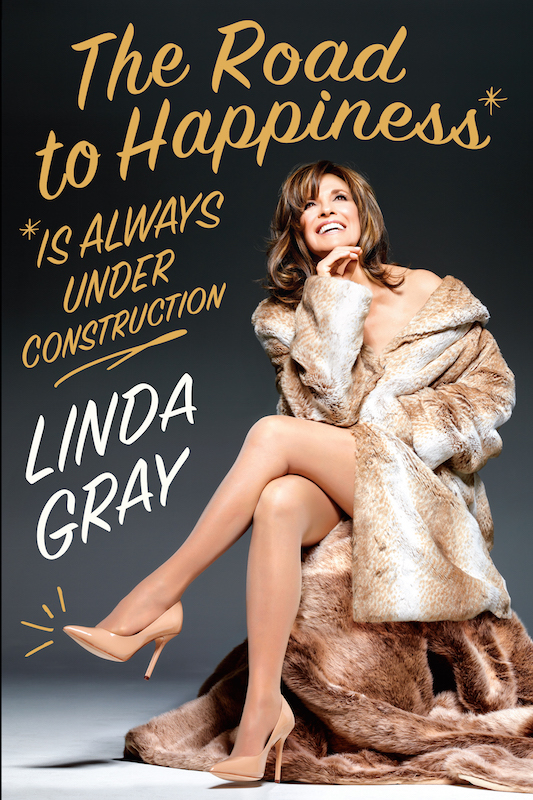
Speaking of photos: We should point out that no animals were harmed in the making of the book’s cover. That’s faux fur you’re wearing.

That’s a shot from People magazine. My grandson [Ryder Sloane] took another photo of me with L.A. in the background, holding a yellow hardhat. I was in a really short, cute black dress. It was fun, flirty, fabulous, and it went with the title.

I love that shot. It appears inside the book.

At one point, that was supposed to be the cover. My husband shot the back cover at the beach when I was 23, and so I thought, how fabulous: My grandson gets the front cover; my ex-husband gets the back.

That would have been cool.

The people in New York really like the shot with the fur, but I love the shot my grandson took.

I know you’ve got to get to your next interview. We never did get to the Elizabeth Taylor story. I guess everyone is just going to have to buy the book.

You’re so sweet. Yes, buy the book!

Share your comments below and read more Dallas Decoder interviews.

Critique: ‘Dallas’ Episode 190 — ‘Deliverance’

Bobby Ewing, Charlie Wade, Dallas, Deliverance, Jenna Wade, J.R. Ewing, Larry Hagman, Patrick Duffy, Priscilla Beaulieu Presley, Shalane McCall

To the victors

“Deliverance” is the next-to-last episode from “Dallas’s” eighth season, but if you didn’t know better, you might think it was the finale. By the end of the hour, the year’s two major storylines are resolved: Cliff and Jamie’s lawsuit to claim two-thirds of Ewing Oil ends in humiliating defeat, while Jenna gets out of prison when Naldo’s killer confesses. I can’t remember how I felt when this episode debuted 30 years ago, but I would imagine it befuddled more than a few viewers. They must have thought, “If the show is going to tie up all its loose ends here, what’s left for the season finale?”

The answer, of course, is that “Dallas” would end the year with Bobby’s death in “Swan Song,” which would become one of the show’s finest installments. “Deliverance” can’t match the power of that episode, but at least it rewards the viewers who stuck with the series throughout its eighth season. The scenes that resolve Naldo’s murder mystery are particularly satisfying, thanks almost entirely to Patrick Duffy. When Bobby finally comes face to face with Schumann, the hit man who framed Jenna for the killing, he offers to set up the man’s wife with a fat bank account if Schumann confesses. “You help my lady and I’ll help yours,” Bobby says. This is one of those lines that Duffy delivers in his signature, Eastwoodian whisper, which never fails to give me chills.

Since Schumann already is facing life in prison for another murder, he agrees to help Bobby and explains how he killed Naldo and framed Jenna. As he confesses, we see flashbacks that fill in the gaps surrounding the shooting. Not everything holds up, though. According to this episode, when Naldo enters the hotel room where he’s eventually murdered, Schumann knocks him out, places his body on a table and then grabs Jenna from behind while she’s waiting in the hall. When the killing occurs in “Odd Man Out,” however, Jenna is yanked into the room mere seconds after Naldo enters. It’s also a little silly how quickly the police accept Schumann’s confession, but no matter. At least this storyline is finally over.

I’m also not going to complain about the trial to determine Ewing Oil’s ownership, which is completed in record time. Wally Windham, the mysterious character introduced in the previous episode, testifies that he purchased Digger and Jason’s shares of Ewing Oil in 1931 — only to sell them to Jock the following year. Windham is the only witness at the trial, and despite his earlier assertion that his story was long and complicated, he manages to tell it pretty succinctly here. Likewise, am I the only who finds it absurd that Jock left the bill of sale giving him ownership of a multi-billion-dollar corporation with his ex-wife Amanda, who lives in a mental hospital? Once again, I suppose I shouldn’t quibble. The lawsuit over Ewing Oil wasn’t as dreary as the Naldo murder mystery, but it wasn’t a shining moment in “Dallas” history, either. What’s important now is that it’s over.

Given the sense of finality in “Deliverance,” it’s no wonder the producers decided to end this episode with a Ewing victory bash at the Oil Baron’s Club. This is a fun sequence because it brings together so many different characters — including Jordan and Marilee, who were rooting for Cliff and Jamie in the fight over the company. (During the trial, Jordan even shows his solidarity with Cliff by offering him a fist pump.) I also get a kick out of Marilee making a beeline for handsome Jack the moment he arrives at the party, although I’m equally intrigued by another shot that shows her chatting with Ray. In fact, the only character who seems to be missing from the celebration is Jenna’s lawyer Scotty Demarest. This is an especially egregious oversight when you consider all of Scotty’s theories about the case were proven correct, right down to the fact the murder weapon was equipped with a sy-lun-suh.

“Deliverance” also brings us more evidence of Sue Ellen’s sad spiral: J.R. finds her passed out drunk in her bed at the beginning of the episode, and later, she discreetly nips from her flask in the courthouse corridor. (Shades of Sue Ellen sneaking a drink during “Jock’s Trial, Part Two.”) Shockingly, Linda Gray has only one line of dialogue in “Deliverance” — at the party, Sue Ellen says hello to Phyllis and Sly — although Gray’s limited screen time underscores how her character is receding into the shadows. Besides, Sue Ellen’s drinking will be dealt with more in “Swan Song,” along with the identity of the mystery woman who rips up the newspaper article about Jenna’s release (is there any doubt who’s under the blond wig?) and Bobby and Pam’s reunion, which the producers set up in “Deliverance” by having the characters finally admit that they still love each other.

Along these lines, this episode also finds J.R. telling Sly he’s glad Jenna will soon get out of jail because it means she can marry Bobby. “J.R., I thought you wanted Bobby and Pam to get back together,” Sly says. His response: “Well, that was last week.” Yes, it’s an amusing line, especially when Larry Hagman punctuates it with his chuckle, but it’s also a little too self-aware for my taste. Perhaps the producers need to indulge their campy impulses one last time before returning to serious dramatic territory in “Swan Song.” If that’s the case, all is forgiven.

Grade: B

_______________________________________________________________________________________________________________________________________________

Charlene Tilton, Clayton Farlow, Dack Rambo, Dallas, Deborah Tranelli, Deliverance, Don Starr, Donna Culver Krebbs, Donna Reed, Dr. Mitch Cooper, Fern Fitzgerald, George O. Petrie, Harv Smithfield, Howard Keel, Leigh McCloskey, Dr. Mitch Cooper, Jack Ewing, Jordan Lee, Marilee Stone, Phyllis Wapner, Ray Krebbs, Steve Kanaly, Susan Howard

Toast of the town

‘DELIVERANCE’

Season 8, Episode 29

Airdate: May 10, 1985

Audience: 19.2 million homes, ranking 2nd in the weekly ratings

Writer: Peter Dunne

Director: Nick Havinga

Synopsis: At the trial, Windham testifies that he bought Digger and Jason’s Ewing Oil shares and later sold them to Jock. Jenna is freed after Bobby persuades Schumann to confess to Naldo’s murder, but the assassin is unable to say who hired him. Dusty spots Sue Ellen drinking at the Oil Baron’s Club. Mitch asks Lucy to move to Atlanta.

Cast: Sam Anderson (Inspector Frank Howard), Mary Armstrong (Louise), Rod Arrants (Andre Schumann), Roseanne Christiansen (Teresa), Robert Clarke (Mason), Pat Colbert (Dora Mae), Patrick Duffy (Bobby Ewing), Eric Farlow (Christopher Ewing), Fern Fitzgerald (Marilee Stone), Linda Gray (Sue Ellen Ewing), Larry Hagman (J.R. Ewing), Jenilee Harrison (Jamie Barnes), Susan Howard (Donna Krebbs), Steve Kanaly (Ray Krebbs), Howard Keel (Clayton Farlow), Ken Kercheval (Cliff Barnes), John Larch (Wally Windham), Jared Martin (Dusty Farlow), Shalane McCall (Charlie Wade), Leigh McCloskey (Dr. Mitch Cooper), George O. Petrie (Harv Smithfield), Daniel Pilon (Renaldo Marchetta), Priscilla Beaulieu Presley (Jenna Wade), Victoria Principal (Pam Ewing), Dack Rambo (Jack Ewing), Donna Reed (Miss Ellie Farlow), Debbie Rennard (Sly), Sherril Lynn Rettino (Jackie Dugan), Dean Santoro (Raymond Furguson), Deborah Shelton (Mandy Winger), Don Starr (Jordan Lee), Charlene Tilton (Lucy Ewing), Deborah Tranelli (Phyllis), Harvey Vernon (Judge Harding)

“Deliverance” is available on DVD and at Amazon and iTunes. Watch the episode and share your comments below.

Dallas Scene of the Day: ‘I’m So Sorry’

Dallas, Deeds and Misdeeds, John Ross Ewing, Linda Gray, Omri Katz, Sue Ellen Ewing

Significant mother

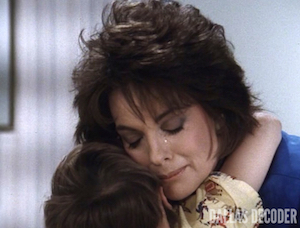
In “Deeds and Misdeeds,” an eighth-season “Dallas” episode, Sue Ellen (Linda Gray) enters a hospital room, where John Ross (Omri Katz) lies in bed.

SUE ELLEN: Hello, sweetheart.

JOHN ROSS: [Turns to face her] Mama.

SUE ELLEN: [Strokes his hair] My poor baby.

JOHN ROSS: Where were you?

SUE ELLEN: Well, I’m here.

JOHN ROSS: Were you here when they operated on me?

SUE ELLEN: No. Mommy was out. I didn’t even know about the operation until it was all over.

JOHN ROSS: Oh.

SUE ELLEN: I’m so sorry. It was a mistake. Mommy should have been here.

JOHN ROSS: That’s okay. You didn’t know.

SUE ELLEN: How’s your tummy? Does it hurt?

JOHN ROSS: A little bit. But not like it did when Grandma brought me to the hospital.

SUE ELLEN: Well, it hurts right now because of the operation, but it’ll go away soon.

JOHN ROSS: I know. [Reaches up and hugs her]

SUE ELLEN: Sweetheart, easy. Don’t strain yourself. [Kisses him] I’m so sorry. Mommy should have been here so you didn’t have to go through that operation alone.

JOHN ROSS: It wasn’t your fault.

SUE ELLEN: [Crying] Yes, it was. [Kisses him] Yes, it was. I’m so sorry. [Kisses him]

Watch this scene in “Deeds and Misdeeds,” available on DVD and at Amazon and iTunes, and share your comments below.

Critique: ‘Dallas’ Episode 189 — ‘Deeds and Misdeeds’

Dallas, Deeds and Misdeeds, Linda Gray, Sue Ellen Ewing

Bottle shock

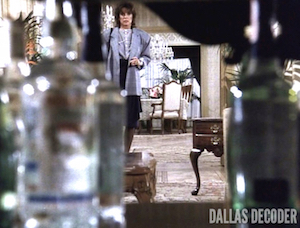
Sue Ellen’s scenes in “Deeds and Misdeeds” aren’t easy to watch. The previous episode ended with her taking her first drink in almost two years, and in this hour, she continues slipping back into her old habits. Sue Ellen leads everyone to believe her relapse was only temporary, yet she swipes a bottle of vodka from the living room and stuffs it in her purse when no one is looking. Alcohol is once again overpowering her, which director Michael Preece brilliantly symbolizes in one scene by filming Linda Gray through the bottles on the Southfork liquor cart. It’s as if the booze is bigger than she is.

As much as I love this shot, no moment in “Deeds and Misdeeds” is more powerful than Sue Ellen’s visit to John Ross in the hospital. She’s wracked with guilt — the reason she fell off the wagon in the first place is because J.R. accused her of being a neglectful mother when their son fell ill with appendicitis — and Gray’s tentative body language does as much to convey her character’s remorse as her tears. Sue Ellen approaches the child slowly, then tenderly strokes his hair and says, “I’m so sorry. Mommy should have been here so you didn’t have to go through that operation alone.” John Ross tells her that “it wasn’t your fault” and wraps his arms around her neck, which might be the saddest thing I’ve ever witnessed on this show. This sweet little boy isn’t hesitating to forgive his mother, yet we know it’ll be a long time before she can forgive herself.

Although it’s hard to see Sue Ellen fall behind after making so much progress during the past two seasons, I’m glad “Dallas” is finally showcasing Gray, who’s been relegated to the background for too long. “Deeds and Misdeeds” continues the show’s late-season course correction in other areas too, including the storyline over the lawsuit to control Ewing Oil. The mysterious Jack brings his cousins J.R., Bobby and Ray to California to meet wealthy Wallace Windham, a figure from Jock’s past who has information that could tilt the suit in the Ewings’ favor. The audience won’t discover what Windham knows until the next episode, but no matter. At least we get to see the Ewing men looking cooler than ever as they stroll across Windham’s driveway. It’s not as neat as the slow-motion walk from “Reservoir Dogs,” but it’ll do.

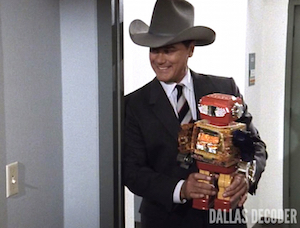
“Deeds and Misdeeds” also features a cute scene in which J.R. shows up in John Ross’s hospital room with a toy robot — Daddy looks awfully pleased with himself, doesn’t he? — as well as the impromptu wedding of Cliff and Jamie, which demonstrates how isolated Ken Kercheval’s character is from the rest of the show. Cliff asks Jordan Lee to be his best man, a somewhat surprising choice since I rarely think of these two characters as being particularly close. Other oddities include Clayton expressing surprise to learn Jock was married before Ellie — how has she not mentioned this before? — as well as Mandy’s near-orgasmic reaction when J.R. embraces her during a visit to her dressing room. If this is all it takes for J.R. to send a woman into a fit of ecstasy, no wonder he’s such a popular fellow.

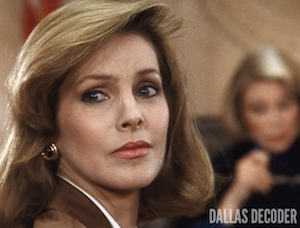
Speaking of unsubtle moments: Let’s discuss the dramatic encounter between Mitch, his ex-wife Lucy and his current squeeze Joanna. It begins with Mitch and Lucy chatting in the hospital corridor about how much they’ve matured since their divorce. When she says she’s proud of him and offers a friendly hug, he notices Joanna is watching and calls her over. “Hi, Joanna,” Mitch says. “I’d like to introduce you to Lucy Ewing. Lucy, this is Joanna Pearce.” Actress Cynthia Leake says, “Hello,” … and then she delivers a Shatner-esque pause while cutting Charlene Tilton the most withering glare in the history of 1980s prime-time soap operas. This is what the kids now refer to as “throwing shade,” except that doesn’t do it justice. Tilton does a nice job looking appropriately rattled, which Joanna ignores as she turns to Mitch and says, “Well, I’ll talk to you later.” Leake then exits the scene, but not before Joanna looks Lucy up and down one last time.

This is Leake’s second “Dallas” appearance — she also played one of Peter’s fellow camp counselors in the seventh-season episode “My Brother’s Keeper” — and it demonstrates how actors in small roles can leave lasting impressions on “Dallas.” In a way, it also speaks to the resiliency of Tilton’s character. If Lucy can survive a look this dirty, she might be the hardiest Ewing of all.

Grade: B

_______________________________________________________________________________________________________________________________________________

Dallas, Deeds and Misdeeds, J.R. Ewing, Larry Hagman

Tin men

‘DEEDS AND MISDEEDS’

Season 8, Episode 28

Airdate: May 3, 1985

Audience: 18.2 million homes, ranking 3rd in the weekly ratings

Writer: David Paulsen

Director: Michael Preece

Synopsis: Jack introduces the Ewing brothers to Wallace Windham, who supplies them with evidence Jock owned Ewing Oil. After falling off the wagon, Sue Ellen hides her drinking from the Ewings. Cliff marries Jamie.

Cast: Roseanne Christiansen (Teresa), Patrick Duffy (Bobby Ewing), Eric Farlow (Christopher Ewing), Susan French (Amanda Ewing), Paul Gleason (Lieutenant Lee Spaulding), Linda Gray (Sue Ellen Ewing), Larry Hagman (J.R. Ewing), Jenilee Harrison (Jamie Ewing), Susan Howard (Donna Krebbs), Steve Kanaly (Ray Krebbs), Omri Katz (John Ross Ewing), Howard Keel (Clayton Farlow), Ken Kercheval (Cliff Barnes), John Larch (Wally Windham), Shalane McCall (Charlie Wade), Leigh McCloskey (Dr. Mitch Cooper), Priscilla Beaulieu Presley (Jenna Wade), Victoria Principal (Pam Ewing), Dack Rambo (Jack Ewing), Donna Reed (Miss Ellie Farlow), Debbie Rennard (Sly), Sherril Lynn Rettino (Jackie Dugan), Deborah Shelton (Mandy Winger), Don Starr (Jordan Lee), Charlene Tilton (Lucy Ewing)

“Deeds and Misdeeds” is available on DVD and at Amazon and iTunes. Watch the episode and share your comments below.

Critique: ‘Dallas’ Episode 188 — ‘The Ewing Connection’

Clayton Farlow, Dallas, Donna Reed, Ewing Connection, Howard Keel, John Ross Ewing, Miss Ellie Ewing Farlow, Omri Katz, Ray Krebbs, Steve Kanaly

Emergency, plus four

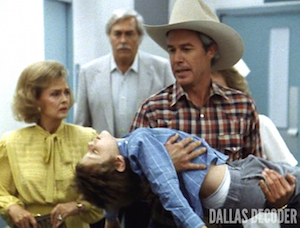
No matter how many times I see the “Dallas” characters come together during a medical crisis, it never seems to lose its dramatic punch. In “The Ewing Connection,” John Ross’s appendicitis produces one chills-inducing scene after another: Miss Ellie rushing upstairs after hearing the little boy screaming in pain, Ray bursting through the emergency room doors carrying the child’s limp body, J.R. dropping everything at the office when he receives the call informing him his son is sick. These moments underscore the ties that bind this family, reminding us that despite all their bickering, the Ewings genuinely care about each other.

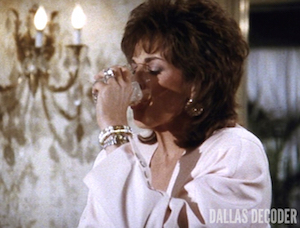
John Ross’s illness also provides “Dallas” with an opportunity send Sue Ellen on what will become one of her final benders. Linda Gray’s character demonstrates surprising strength throughout the eighth season, continually resisting the urge to drink as her marriage unravels for the umpteenth time. “The Ewing Connection” even takes a few moments to celebrate Sue Ellen’s success in the scene where she attends group therapy and tearfully describes how she stayed on the wagon despite another nasty spat with J.R. Gray’s performance during the therapy scene is beautiful and moving, allowing us to feel proud of Sue Ellen not only for staying sober, but also for having the courage to share the experience with a roomful of strangers. This is what makes the episode’s ending so heartbreaking. After J.R. lashes out at her because she wasn’t with John Ross when he got sick, Sue Ellen picks up a glass of bourbon, tentatively brings it to her lips and finally gulps it down.

Sue Ellen’s downfall raises a few questions that aren’t easily answered. First, is J.R. right when he says she should have stayed home with John Ross? The script has the child’s illness play out gradually. He begins complaining about having a stomachache at breakfast, so Sue Ellen says he should stay home from school. Later, John Ross tells her he’s feeling better, so she decides to not take him to the doctor, saying he can spend the rest of the day in bed. She also points out that Miss Ellie will be around if he needs anything. Sue Ellen then goes to her group and returns home that evening toting a couple of shopping bags, explaining that she decided to buy herself a few things after her therapy session. This is when J.R. tells her John Ross’s appendix almost ruptured, calls her an unfit mother and storms off, leaving her alone to drink. Is J.R. unnecessarily cruel? Yes, but does he have a point about her parental judgment? Or is it unfair to blame Sue Ellen for something she couldn’t control?

This brings us to another point that’s open to interpretation. When Sue Ellen arrives home, J.R. is fixing a drink in the living room. He breaks the news about John Ross as only he can (“While you were out seeking help for your psyche and boosting the economy of the more fashionable boutiques of Dallas, your son was being rushed into surgery”) and she tries to defend herself, saying John Ross seemed fine when she left. The spouses move from the living room to the foyer, and as he calls her “a totally unfit mother,” he sets down the drink and marches upstairs. The question is: Why doesn’t J.R. take his drink with him? Does he leave it behind because he’s too angry to think straight? Or does he set down the glass, hoping Sue Ellen will drink it? Did he pour it for her in the first place? Is J.R. hoping she’ll relapse so he can divorce her, gain custody of John Ross and be free to pursue Mandy Winger?

Besides Sue Ellen’s relapse, “The Ewing Connection” includes two other moments of consequence: Donna learns she’s pregnant (Susan Howard does a nice job conveying her character’s mixed emotions in this scene), and J.R. and Bobby sign over 10 percent of Ewing Oil to their newly discovered cousin Jack in exchange for his promise to prove Cliff and Jamie have no ownership claim on the company. This is another example of one of my least favorite “Dallas” tropes from the later years, when the characters exchange stakes in this multi-billion-dollar company the way kids once traded baseball cards in schoolyards. Mercifully, Bobby persuades J.R. that the two of them should each give up 5 percent instead of asking the other shareholders (Miss Ellie, Gary and Ray) to sacrifice a portion of their shares. It doesn’t make much sense, but at least the math is easy to follow.

Finally, “The Ewing Connection” gives us two reunions, beginning with Lucy and Mitch’s appropriately awkward dinner in Atlanta. The characters make meaningless small talk, although one line of dialogue feels weightier now than it did when this episode debuted three decades ago. Lucy asks Mitch about his mother and sister; Mitch responds both are doing fine, which doesn’t tell the whole story, at least where Afton is concerned. Given what we now know about Audrey Landers’ character’s timeline, she was probably getting ready to give birth to her secret daughter Pamela Rebecca Cooper around this time. Maybe Mitch decides not to tell Lucy because he’s afraid she’ll go home and blab the news to everyone, which actually seems pretty likely when you stop and think about it.

The more meaningful reunion comes when Bobby and Pam spend an evening reminiscing about their marriage, sealing the conversation with a brief kiss. The producers wisely keep Priscilla Beaulieu Presley out of this episode, giving Bobby and Pam the room they need to begin finding their way back to each other. The kiss also foreshadows the characters’ reconciliation in the eighth-season finale, “Swan Song.” In fact, there’s a lot about “The Ewing Connection” that reminds me of that episode. The scene where J.R. rushes out of the room after receiving the call about John Ross is similar to the “Swan Song” moment in which J.R. gets the call that Bobby’s been hurt, and Howard Keel seems to sport the same shirt and jacket in both episodes. Likewise, when Sue Ellen comes home with her shopping bags, it’s not unlike the ninth-season scene in which she strolls into the living room, blissfully unaware that Bobby has died.

I know, I know. I’m getting ahead of myself again. What can I say? If “The Ewing Connection” is a trial run for “Swan Song,” then I’m more ready than ever to see the real thing.

Grade: B

_______________________________________________________________________________________________________________________________________________

Dallas, Ewing Connection, Linda Gray, Sue Ellen Ewing

Last hurrah

‘THE EWING CONNECTION’

Season 8, Episode 27

Airdate: April 19, 1985

Audience: 17.9 million homes, ranking 5th in the weekly ratings

Writer: Arthur Bernard Lewis

Director: Nick Havinga

Synopsis: J.R. and Bobby reluctantly agree to give Jack 10 percent of Ewing Oil in exchange for information to squash Cliff’s lawsuit. Sue Ellen falls off the wagon after John Ross is rushed to the hospital with appendicitis. Bobby and Pam kiss. Donna learns she’s pregnant. Lucy meets Mitch in Atlanta. The police track down Andre Schumann, the assassin who likely murdered Naldo.

Cast: Roseanna Christensen (Teresa), Patrick Duffy (Bobby Ewing), Eric Farlow (Christopher Ewing), Paul Gleason (Lieutenant Lee Spaulding), Linda Gray (Sue Ellen Ewing), Larry Hagman (J.R. Ewing), Jenilee Harrison (Jamie Ewing), Susan Howard (Donna Krebbs), Steve Kanaly (Ray Krebbs), Omri Katz (John Ross Ewing), Howard Keel (Clayton Farlow), Ken Kercheval (Cliff Barnes), Shalane McCall (Charlie Wade), Leigh McCloskey (Dr. Mitch Cooper), George O. Petrie (Harv Smithfield), Nicholas Pryor (Nathan Billings), Victoria Principal (Pam Ewing), Dack Rambo (Jack Ewing), Donna Reed (Miss Ellie Farlow), Sherril Lynn Rettino (Jackie Dugan), Barry Sattels (Greg Rupp), Charlene Tilton (Lucy Ewing), John Zaremba (Dr. Harlan Danvers)

“The Ewing Connection” is available on DVD and at Amazon and iTunes. Watch the episode and share your comments below.

Critique: ‘Dallas’ Episode 186 — ‘Sentences’

Dallas, Jenna Wade, Priscilla Beaulieu Presley, Sentences

It’s a crime

Do you hate to see the judge send Jenna Wade to prison in “Sentences”? I do. Not because I think it’s unfair to punish Priscilla Beaulieu Presley’s character for a crime she didn’t commit. No, I’m sorry to see Jenna go to jail because I know she’ll be free by the end of the season. Think about it: If “Dallas” took place in real time, Jenna’s seven-year sentence means she’d be released in the spring of 1992, about a year after the series had gone off the air. How nice would it have been to never have to look at her again after this episode?

I know that sounds harsh, so let me make something clear: I have nothing against Presley, who is a capable and appealing actress. My gripe is with her hollow character. Jenna’s personality changes depending on whatever the story calls for. When the show needed someone to threaten Bobby and Pam’s marriage, Jenna (played by Morgan Fairchild and later, Francine Tacker) was a conniving vixen. Once Bobby and Pam were divorced and Patrick Duffy needed a new leading lady, Jenna was recast with Presley and turned into someone the audience could root for: a down-on-her-luck single mom who was willing to wait tables to make ends meet. Now that “Dallas” is laying the groundwork for Bobby and Pam’s reconciliation, Jenna has been reduced to a plot device. She exists solely to illustrate Bobby’s nobility: He’s such a good guy, he’ll fight to keep her out of jail, even though his heart belongs to another woman.

More than anything, this is why Jenna’s eighth-season storyline is one of “Dallas’s” worst narrative miscues. The show is asking the audience to invest in a character who is maddeningly inconsistent. To get an idea of what I mean, imagine if Sue Ellen was tried for murder instead of Jenna. Sure, we’d probably complain the court scenes were draggy, but the writers also would have had a deeper, richer character to build a storyline around. Sue Ellen might have collapsed under the pressure of a trial or she might have risen to the occasion and fought to prove her innocence, but you can bet the character would have been recognizable in either instance. Jenna, on the other hand, becomes a different person every time her circumstances change.

As much as Presley’s character weighs down “Sentences,” the episode isn’t a total loss. The show continues to slowly restore Larry Hagman’s character, giving J.R. a good scene in which he shows Nathan Billings the tape he made of him sleeping with Rhonda Cummings. When Billings sees himself on the TV, director Michael Preece appears to zoom in on actor Nicolas Pryor while pulling back the camera, a neat trick that recalls a similar shot of Roy Scheider in “Jaws.” (Spielberg himself borrowed the technique from Hitchcock.) In another clever touch, Preece uses the mirrors in J.R. and Sue Ellen’s bedroom to show us both characters’ expressions when she confronts him about his affair with Mandy. I also like how J.R. initially denies the affair, but as he stands at the dresser and slowly empties his pockets, he eventually unburdens himself and acknowledges the truth: Not only is he sleeping with Mandy, he’s fallen for her.

“Sentences” also offers an encounter between J.R. and Pam, although it isn’t quite as entertaining as their confrontation a few episodes ago in “Legacy of Hate.” J.R. visits his ex-sister-in-law and says that now that Jenna has gone to jail, he hopes Bobby and Pam will reconcile. Her response (“Did you suddenly find religion, or did your doctor tell you that you only have a week to live?”) isn’t as amusing today as it was in 1985, but more importantly, I wish we knew what J.R. is up to. Are we supposed to assume he wants Pam back on Southfork so she’ll stop supporting Cliff’s lawsuit to seize two-thirds of Ewing Oil? Ambiguities aside, I love how this scene begins: Pam is giving Christopher an afternoon snack when J.R. arrives and bends down to receive a kiss from the boy, only to end up with a cheek full of graham cracker crumbs. Eric Farlow’s reaction upon spotting Hagman (“Uncle J.R.!”) is also charming.

Other small but memorable moments in “Sentences” include Jackie interrupting Cliff and Pam to relay a radio news bulletin that Jenna has been found guilty. Sherril Lynn Katzman is quite good here; her expression lets us know that Jackie realizes her announcement will annoy Cliff, but she’s going to deliver the news anyway because Pam deserves to know. I also get a kick out of a later scene in which Cliff bursts into Pam’s office to tell her that Bobby has confessed to being Charlie’s father to gain custody of her. Who doesn’t get a kick out of Cliff’s description of the girl: “What’s that kid’s name? Charlie?” (At least Cliff is better informed than Ray, who mistakenly refers to Mickey as his nephew in this episode.)

“Sentences” also includes a memorable scene at the Oil Baron’s Club, where Marilee runs into Sue Ellen and eagerly tells her that J.R. was recently spotted around town with Mandy. This is delicious and fun, and not just because Linda Gray and Fern Fitzgerald are dressed to the nines. It’s also interesting to see the actresses share a scene and be reminded that their characters were once ladies who lunched and volunteered together on the charity circuit. The death of Marilee’s husband and her rise to power in his company moved her out of Sue Ellen’s orbit and into J.R.’s, but when you go back and watch Fitzgerald’s early appearances, you can see hints of the snide, cutting character she’d eventually become. Marilee’s steady, consistent development over the years makes her another contrast with whichever-the-way-the-wind blows Jenna.

You can also see Marilee as a template for Sue Ellen, who’ll eventually join her frenemy in the business world. At this point during “Dallas’s” run, though, Sue Ellen and Marilee are leading very different lives, although it’s not like they have nothing in common. I mean, do these bitches know how to rock a hat or what?

Grade: B

_______________________________________________________________________________________________________________________________________________

Dallas, Linda Gray, Sentences, Sue Ellen Ewing

Top hat

‘SENTENCES’

Season 8, Episode 25

Airdate: March 29, 1985

Audience: 19.5 million homes, ranking 6th in the weekly ratings

Writer: Arthur Bernard Lewis

Director: Michael Preece

Synopsis: J.R. blackmails Billings into shutting down Cliff’s offshore oil operation and urges Pam to reconcile with Bobby. When Jenna is sentenced to a seven-year prison term, Bobby is awarded custody of Charlie and resumes his investigation into Veronica’s death. Marilee tells Sue Ellen about J.R.’s affair with Mandy. Ray urges Lucy to contact Mitch.

Cast: Mary Armstrong (Louise), Pat Colbert (Dora Mae), Patrick Duffy (Bobby Ewing), Marj Dusay (Bernice Billings), Stephen Elliott (Scotty Demarest), Eric Farlow (Christopher Ewing), Fern Fitzgerald (Marilee Stone), Linda Gray (Sue Ellen Ewing), Heidi Hagman (Jury Forewoman), Larry Hagman (J.R. Ewing), Jenilee Harrison (Jamie Ewing), Susan Howard (Donna Krebbs), Steve Kanaly (Ray Krebbs), Howard Keel (Clayton Farlow), Ken Kercheval (Cliff Barnes), Virginia Kiser (Judge Roberta Fenerty), Frederic Lehne (Eddie Cronin), Laura Malone (Janice Hopper), Shalane McCall (Charlie Wade), Allan Miller (Assistant District Attorney Frederick Hoskins), Priscilla Beaulieu Presley (Jenna Wade), Victoria Principal (Pam Ewing), Nicholas Pryor (Nathan Billings), Donna Reed (Miss Ellie Farlow), Debbie Rennard (Sly), Sherril Lynn Rettino (Jackie Dugan), Dean Santoro (Raymond Furguson), Deborah Shelton (Mandy Winger), Charlene Tilton (Lucy Ewing), Deborah Tranelli (Phyllis)

“Sentences” is available on DVD and at Amazon and iTunes. Watch the episode and share your comments below.

Dallas Scene of the Day: ‘I’m Very Rich, and Very Determined’

Dallas, Dead Ends, Pam Ewing, Victoria Principal

Rhymes with “rich”

In “Dead Ends,” an eighth-season “Dallas” episode, Pam and Sue Ellen (Victoria Principal, Linda Gray) sit in a restaurant overlooking the Hong Kong skyline.

PAM: Quite a view, isn’t it?

SUE ELLEN: Oh, it’s beautiful. It’s almost a shame that we have to leave. Pam, I’m really sorry about how it turned out for you. But maybe we should make our return reservations.

PAM: Oh, I don’t think so. Not just yet.

SUE ELLEN: Are you serious?

PAM: Yes, I am. In fact, I think it’s time that I went on the offensive. [Motions for a nearby servant.] Waiter, may I have the phone, please? Thank you. [The waiter brings a phone to the table, plugs it into a wall jack. Pam dials a number.] Hello, may I speak with Mr. Chan? This is Pamela Ewing. Good morning, Mr. Chan. No, I’m not calling to say goodbye. I’m calling to say that I won’t be leaving Hong Kong until I see Mark Graison, because I’m convinced that Mr. Swanson is Mark Graison. You see, I’m very rich, and very determined. And if I have to, I’ll buy that damned clinic and walk in as the owner. Oh, but I would do that. So Mr. Chan, you can tell your Mr. Swanson that he can see me now or he can see me later, but he is going to see me. Goodbye, Mr. Chan. [Hangs up]

SUE ELLEN: Well, I am very impressed. Remind me never to cross you again. [Smiles]

PAM: [Sighs] Well, what good is the Ewing name and all that power if I don’t occasionally use it?

SUE ELLEN: I’ll remember that.

PAM: [Looks at the menu] Let me buy you lunch.

SUE ELLEN: I’m afraid to say no.

PAM: [Laughs] Come on.

Watch this scene in “Dead Ends,” available on DVD and at Amazon and iTunes, and share your comments below.